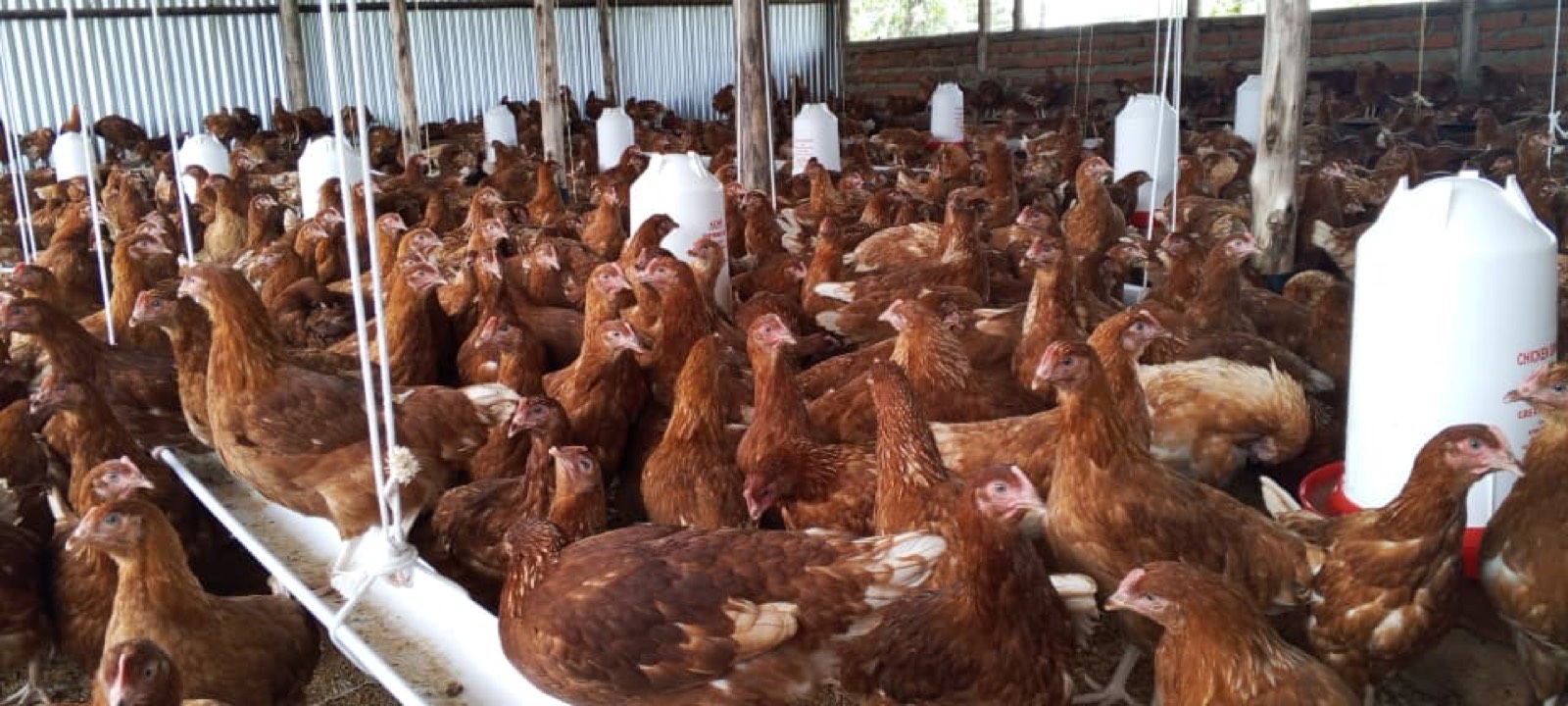
The Kroiler — sold under names like Kuroiler, Sasso, and Rainbow Rooster — is one of the most exciting poultry breeds for smallholder farmers in Uganda. Unlike standard commercial broilers, which require intensive management and high feed costs, the Kroiler is a dual-purpose bird: it grows to a good market weight and the females can lay eggs. It is also hardier, more disease-resistant, and better suited to low-input production systems.
At Be Blessed Livelihood Ventures, we regularly support farmers who are considering a first flock of Kroilers. The most common question we get is: does the maths work? This article gives you a clear, honest answer — based on a complete cost-benefit breakdown for a batch of 500 birds.
What Is a Kroiler?
The Kroiler is a dual-purpose hybrid poultry breed developed for smallholder farming conditions in tropical climates. It combines the fast growth of a broiler with the foraging ability and egg-laying potential of a local hen. Key advantages include:
- Good growth rate — reaching market weight in 4 months (≈120 days)
- Can be raised in semi-free-range or fully confined systems
- More resistant to common poultry diseases than standard broilers
- Males sold for meat; females can be retained for egg laying
- Thrives even on lower-protein diets compared to commercial broilers
For farmers in Kyangwali who want a reliable income from poultry without the intensity of full commercial broiler management, the Kroiler is one of our top recommendations.
The Business Case: 500 Kroiler Birds
The figures below represent a realistic, well-managed batch of 500 Kroiler birds over a 4-month production cycle. These are based on current market prices in the Kyangwali and Kikuube District area. Your actual costs may vary slightly depending on your location and management.
Full Cost Breakdown
| Input / Cost Item | Qty | Unit Price (UGX) | Total (UGX) |
|---|---|---|---|
| Day-Old Chicks (DOC) | 500 | 3,000 | 1,500,000 |
| Litter / Wood Shavings | 20 bags | 5,000 | 100,000 |
| Starter Feed (0–14 days) — 315 kg | 315 kg | 2,900 | 913,500 |
| Grower Feed (15–35 days) — 525 kg | 525 kg | 2,900 | 1,522,500 |
| Finisher Feed (36–120 days) — 2,125 kg | 2,125 kg | 2,800 | 5,950,000 |
| Vaccines (Newcastle, Gumboro, etc.) | 1 set | 50,000 | 50,000 |
| Veterinary Drugs & Supplements | 1 set | 75,000 | 75,000 |
| Disinfectants & Biosecurity | 1 batch | 50,000 | 50,000 |
| Brooding Energy (heat, lighting) | 1 month | 100,000 | 100,000 |
| Water | 4 months | 25,000/mo | 100,000 |
| Labour & Security | 4 months | 200,000/mo | 800,000 |
| Transport (DOC + feed + market) | — | — | 200,000 |
| Housing Rent | 4 months | 150,000/mo | 600,000 |
| Equipment (feeders, drinkers, trays) | — | — | 560,000 |
| Total Production Cost | 12,521,000 | ||
Revenue & Profit
Assuming a 5% mortality rate (which is realistic with good management and vaccination), you bring 475 birds to market. At an average live weight of 3.0 kg per bird and a farm-gate price of UGX 10,000 per kg, the revenue calculation is straightforward:
| Metric | Value |
|---|---|
| Birds stocked | 500 |
| Estimated mortality (5%) | 25 birds |
| Birds marketed | 475 birds |
| Average live weight per bird | 3.0 kg |
| Total live weight sold | 1,425 kg |
| Farm-gate price per kg | UGX 10,000 |
| Gross Revenue | UGX 14,250,000 |
| Total Production Cost | UGX 12,521,000 |
| Net Return | UGX 1,729,000 |
What This Means in Practice
A net return of UGX 1,729,000 per 4-month cycle from 500 Kroilers is a solid, achievable result for a well-managed enterprise. That translates to approximately UGX 432,000 per month in effective income — comparable to a modest salary in rural Uganda, from a single poultry enterprise.
More importantly, this return is based on conservative assumptions. Farmers who sell directly to consumers — rather than through intermediaries — typically earn 15–25% more per kilogram. Farmers who achieve mortality below 5% through good biosecurity earn even more. And farmers who scale to 1,000+ birds begin benefiting from economies of scale that improve the margin per bird significantly.
Key Factors That Determine Your Success
Is It Right for You?
Kroiler farming is a strong enterprise for farmers who:
- Have access to adequate housing (your own or rented) with good ventilation
- Can reliably source quality feed and water throughout the 4-month cycle
- Have time to manage the flock daily or can afford reliable labour
- Have identified at least one or two buyers for their birds at harvest
- Can invest the startup capital or access affordable credit
If you are new to poultry, we recommend starting with a smaller flock — 50 to 100 birds — to learn the management before committing to 500. Our Animal Health Officers can visit your farm and advise on housing setup, feeding programmes, and disease prevention before you begin.
"Before I started my Kroiler flock, I came to Be Blessed to understand what I was getting into. They walked me through the costs and what to expect. That preparation made the difference."
— Poultry farmer, Kyangwali Host Community
Get Support from Be Blessed Livelihood Ventures
Be Blessed Livelihood Ventures supplies all the inputs you need for a successful Kroiler enterprise — from vaccines and veterinary medicines to quality feeds and biosecurity products. Our qualified Animal Health Officers are available at all six of our service points to advise on your flock plan, vaccination schedule, and feeding programme.
We also offer free farm visits through our extension service — Monday to Friday — so you can get expert eyes on your setup before and during your production cycle.