Maize is one of the most widely grown crops across Uganda — and for good reason. It is a staple food, a cash crop, and a feed ingredient all in one. For smallholder farmers in Kyangwali and the broader Kikuube District, maize offers real income potential. But like any enterprise, success depends on understanding the numbers before you plant.
This guide breaks down the costs and returns of maize farming for a standard 1-acre plot using quality, certified inputs — the kind we supply at Be Blessed Farm Supply. We have made it practical and realistic, based on what we see in the field every season.
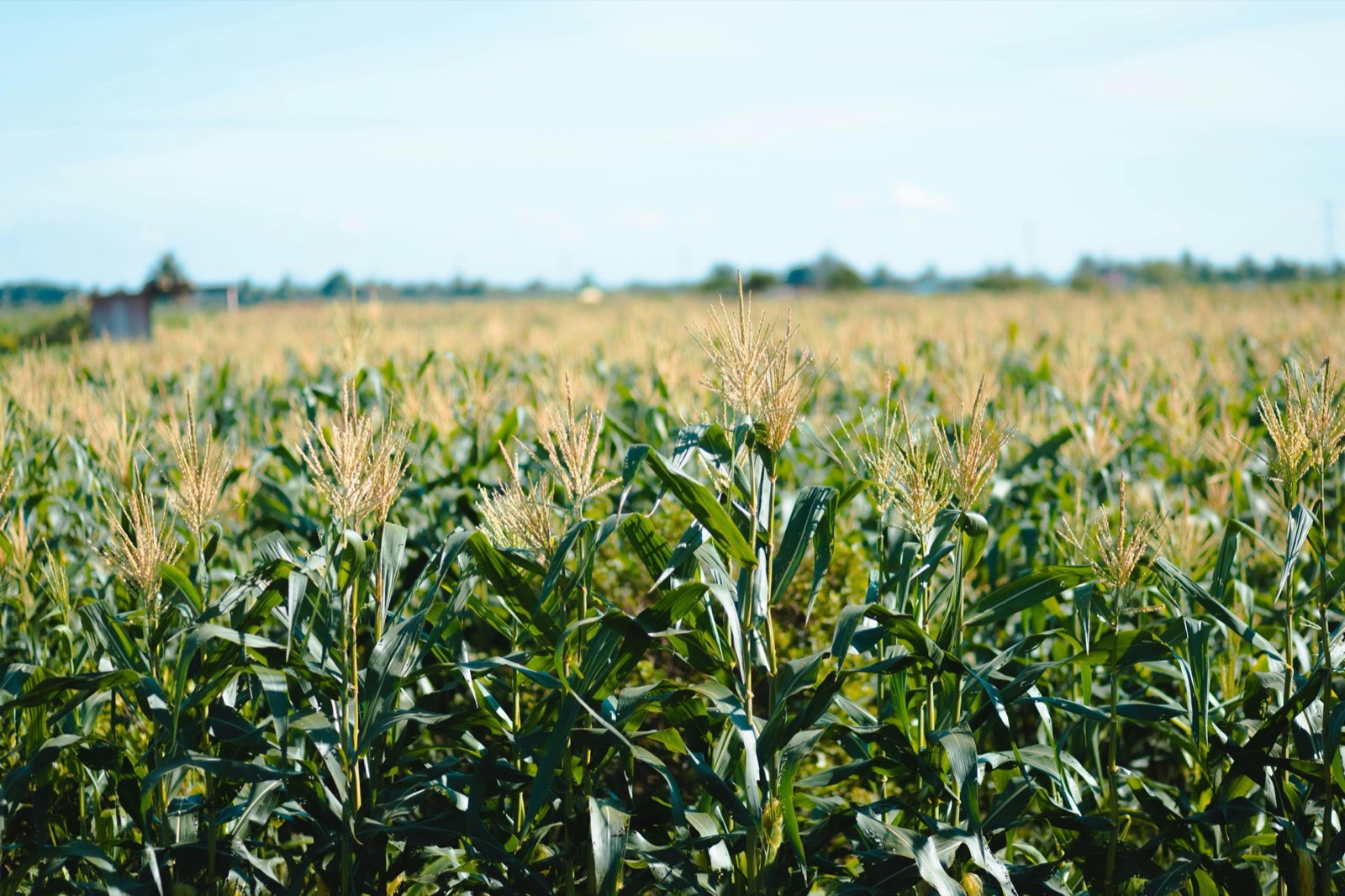
Season Overview: What to Expect
Maize in Kyangwali is typically grown in two seasons: Season A (March–July, the main long rains) and Season B (August–December, the short rains). Season A generally produces higher yields. With the right inputs and management, a smallholder farmer can achieve 800 kg to 1,500 kg per acre per season — with well-managed plots using certified hybrid seed and proper fertilisation reaching the higher end.
Cost Breakdown (Per Acre, Season A)
The figures below are estimates based on current market prices in Kyangwali and Kikuube District. Actual costs may vary slightly by season and location.
| Input / Activity | Quantity | Est. Cost (UGX) |
|---|---|---|
| Certified Hybrid Maize Seed (e.g. NASECO, Uganda Seeds) | 5–6 kg | 45,000 – 55,000 |
| Basal Fertiliser (DAP or NPK at planting) | 25–50 kg | 60,000 – 100,000 |
| Top-Dress Fertiliser (CAN at knee-high) | 25–50 kg | 45,000 – 80,000 |
| Herbicide (pre-emergence or post-emergence) | 1 litre | 15,000 – 25,000 |
| Pesticide (if stalk borer or armyworm present) | 250–500 ml | 10,000 – 20,000 |
| Land Preparation (hand hoe or hired) | 1 acre | 60,000 – 100,000 |
| Labour (planting, weeding x2, harvesting) | Per season | 80,000 – 120,000 |
| Bags & Post-Harvest Handling | 10–15 bags | 15,000 – 25,000 |
| Total Estimated Cost | 330,000 – 525,000 |
Estimated Revenue
At current farm-gate prices in the region, dry maize sells for approximately UGX 700–900 per kg. With a realistic yield of 1,000–1,200 kg per acre using quality inputs:
| Scenario | Yield | Price/kg | Gross Revenue |
|---|---|---|---|
| Conservative (poor inputs, no fertiliser) | 400–600 kg | 700 | 280,000 – 420,000 |
| Average (local seed, basic management) | 600–800 kg | 750 | 450,000 – 600,000 |
| Good (certified hybrid seed + fertiliser) | 1,000–1,200 kg | 800 | 800,000 – 960,000 |
| Excellent (best variety, full management) | 1,300–1,500 kg | 850 | 1,105,000 – 1,275,000 |
| Scenario | Revenue | Cost | Net Return |
|---|---|---|---|
| Conservative | 350,000 | 400,000 | – 50,000 (loss) |
| Average | 525,000 | 430,000 | + 95,000 |
| Good | 880,000 | 430,000 | + 450,000 |
| Excellent | 1,190,000 | 480,000 | + 710,000 |
The Key Lesson: Inputs Are Not a Cost — They Are an Investment
The table above tells a story that every farmer needs to understand. A farmer using poor-quality or counterfeit seed and no fertiliser can actually lose money in a season — spending on labour and land preparation but harvesting too little to cover those costs. This is the trap that has kept many farmers stuck for years.
But a farmer using certified hybrid seed and applying the right fertiliser at the right time can multiply their net returns 4–7 times compared to a farmer doing the minimum. The difference between 400 kg and 1,200 kg on the same acre of land is almost entirely explained by input quality and management.
How to Improve Your Returns This Season
- Buy certified hybrid seed — avoid local, recycled, or unlabelled seed
- Apply basal fertiliser at planting, top-dress at knee height
- Plant at the correct spacing (75cm × 25cm) — don't overcrowd
- Weed at 2–3 weeks and again at 6 weeks after planting
- Scout regularly for fall armyworm and stalk borer — act early
- Harvest when dry (less than 13% moisture) to get best price
- Store properly in sealed bags in a cool, dry place to avoid post-harvest losses
"Last season I used the hybrid seed and fertiliser from Be Blessed. My harvest was more than double what I got the season before. I sold some and kept enough for my family for the whole year."
— Smallholder farmer, Kyangwali Refugee Settlement
Need Help Planning Your Maize Season?
Our qualified agronomists are available at all six of our service points — and can also visit your farm directly through our extension service. They can help you choose the right variety, recommend the correct input quantities for your plot, and guide you through every stage of the season.