Distance. For many farmers in Kyangwali Refugee Settlement, that single word has been the difference between a good harvest and an abandoned one — between feeding a family and watching a season pass by.
When Be Blessed Farm Supply opened its first agro-input shop inside the refugee settlement in 2019, it solved one major problem: farmers no longer had to travel 100 kilometres to Hoima to buy certified seeds, fertilisers, and crop protection chemicals. But as we grew, and as we listened more carefully to the communities we served, a different challenge became impossible to ignore.
"The shop is there, but it is still too far. By the time I pay for transport and carry the inputs back, the cost is too high and sometimes the season has already started."
— Farmer, Kyangwali Refugee Settlement
The Problem We Couldn't Ignore
Kyangwali is a large, dispersed settlement. Thousands of farming families live in villages that are still a long walk — or an expensive boda boda ride — from the nearest service point. For a smallholder farmer operating on a tight budget, even a modest transport cost can tip the economics of the season into the negative.
Some farmers delayed purchasing until they had enough money for transport, and then missed the optimal planting window. Others bought whatever was available from local traders — often counterfeit or substandard products — because they could not make the journey to a certified outlet. The problem was not awareness or willingness. It was access.
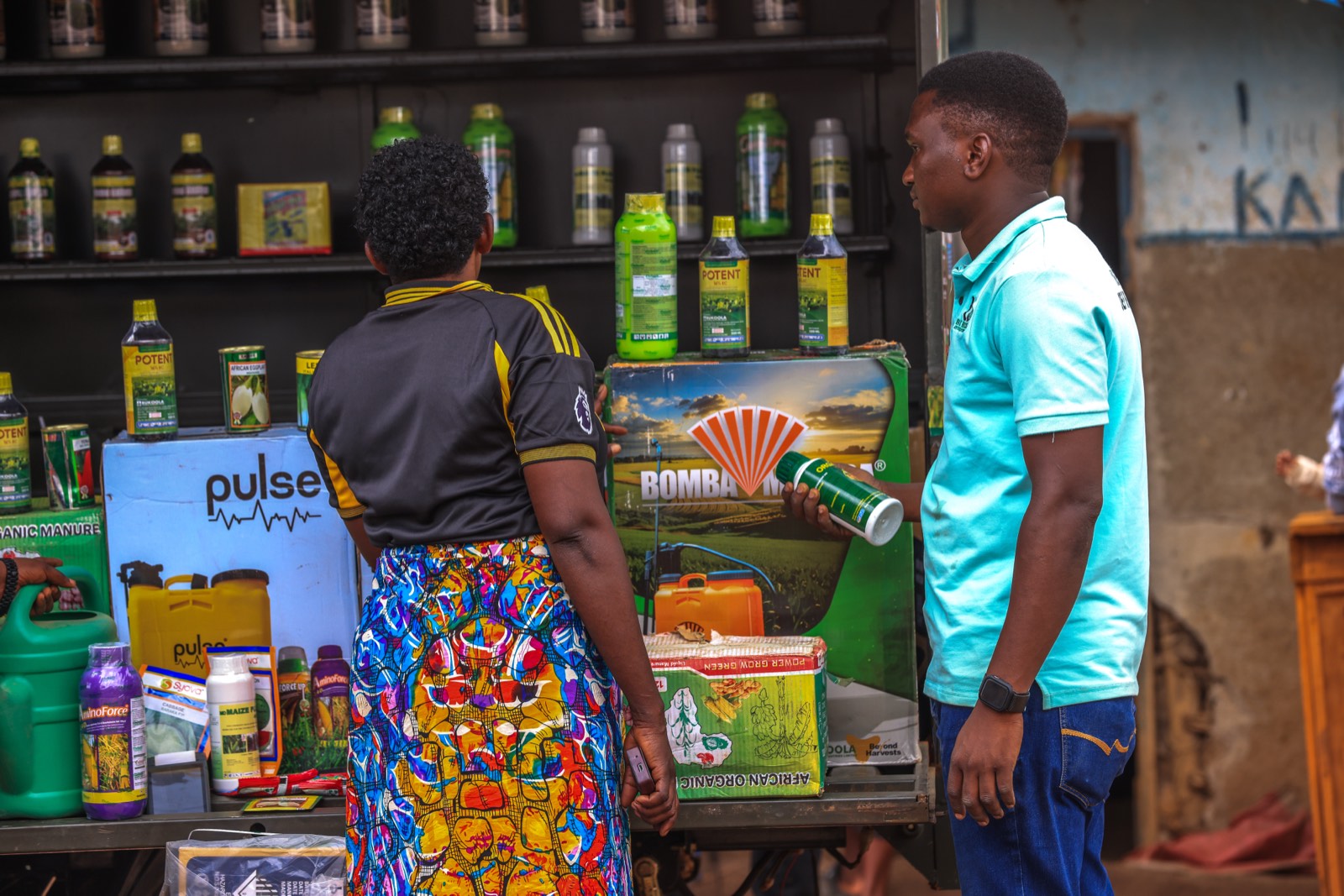
The Solution: Bring the Shop to the Farmer
We had already invested in static outlets. But building a permanent shop in every village was not financially viable. The operating costs, the staffing, the stock management — it simply did not work at the scale we needed.
So we asked a different question: instead of waiting for farmers to come to us, what if we went to them?
That question gave birth to the Mobile Distribution Program — a specially equipped distribution tricycle that travels directly to farming communities on a fixed, published schedule. Each village on the rotation has its own service day. Farmers know exactly when the unit is arriving, what it carries, and who is coming with it.
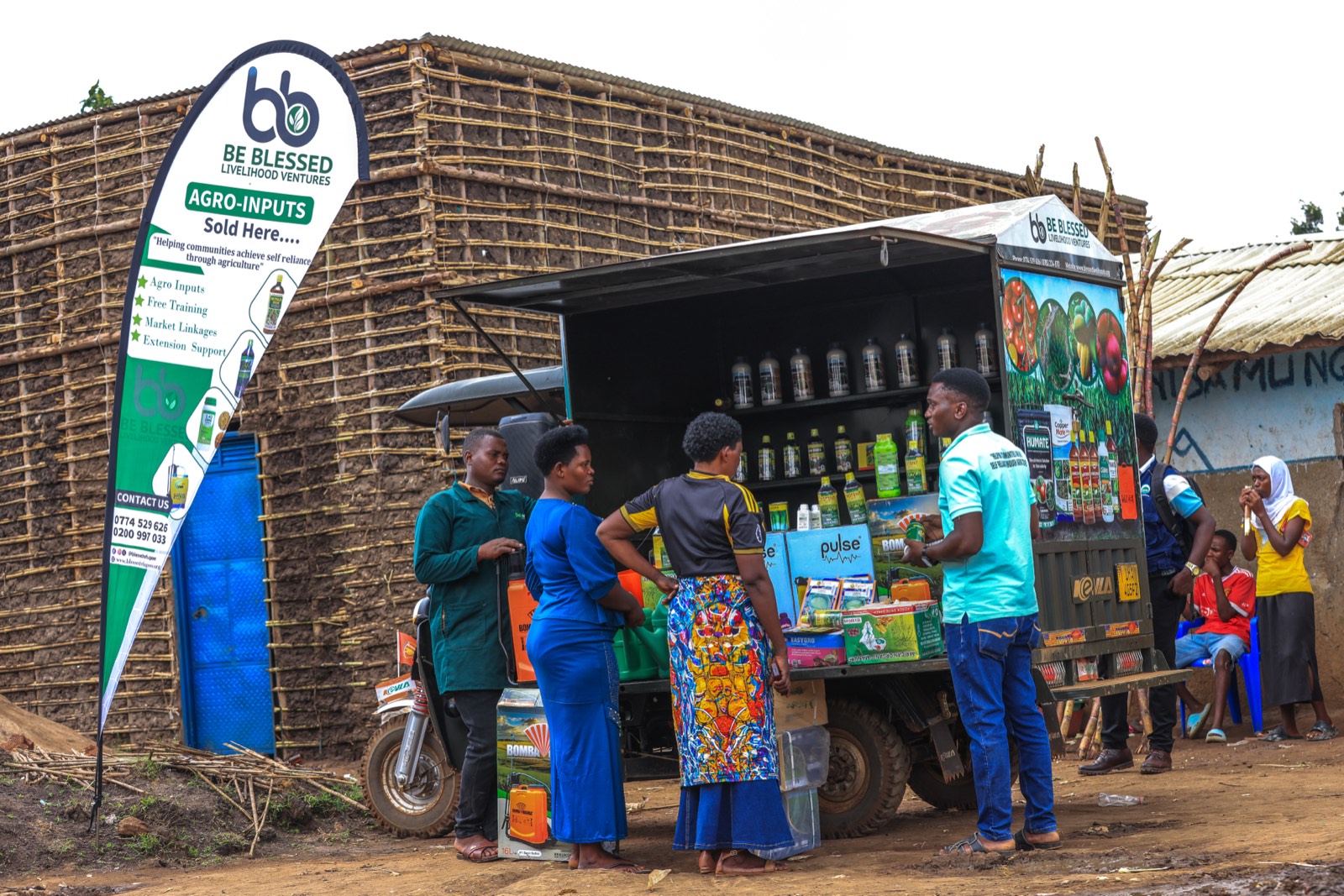
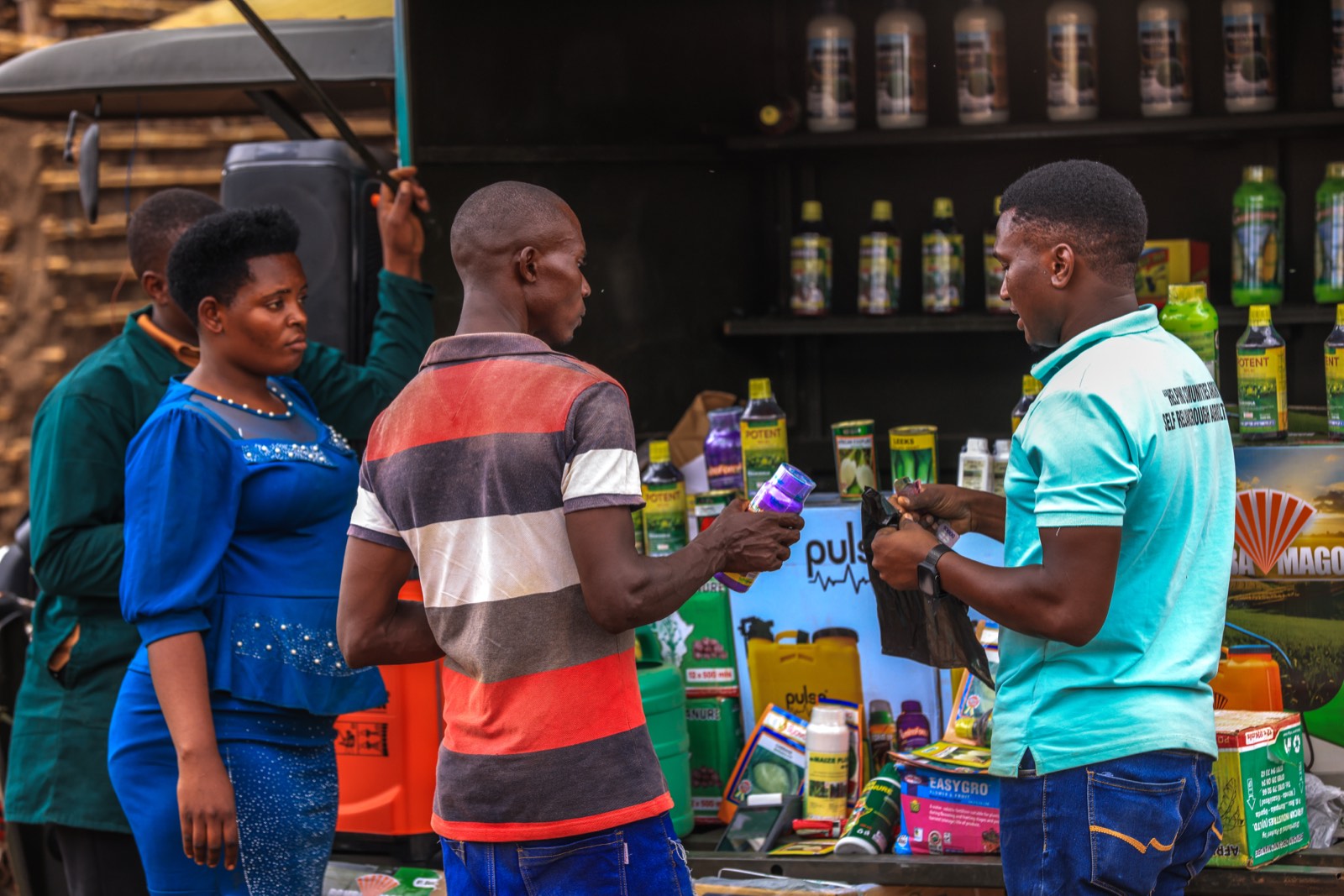
What the Mobile Unit Carries
The tricycle is not just a vehicle — it is a mobile agro-input shop. On every run it carries a curated selection of what farmers in that community need most:
- Certified vegetable and field crop seeds
- Fertilisers (both organic and inorganic)
- Crop protection chemicals — insecticides, fungicides, herbicides
- Veterinary medicines, de-wormers, and vaccines
- Animal feeds and feed additives
- Basic farm tools
Crucially, the same qualified agronomist or animal health officer who staffs our outlets comes with the mobile unit. Every sale is accompanied by guidance — farmers do not just receive a product, they receive the knowledge to use it correctly.
The Impact So Far
Since launching the Mobile Distribution Program, we have seen measurable shifts in the communities we reach. Farmers who previously delayed planting are now accessing inputs on time. Households that relied on counterfeit products from informal traders are switching to certified inputs — and seeing the difference in their crops.
Currently, the unit serves 6 villages on a weekly rotation. But in Kyangwali alone, there are 32 underserved communities who have not yet been reached. That number is a challenge we are determined to address — one community, one tricycle, one season at a time.
"When the mobile unit comes, it is like the shop comes to us. We can ask questions, buy what we need, and go straight back to the farm."
— Farmer, Kyangwali Host Community
Help Us Reach More Communities
The Mobile Distribution Program is one of the initiatives we actively seek partnerships for. Each additional tricycle means 4–6 new communities gaining regular, scheduled access to certified agricultural inputs — at the right time, from qualified people, at fair prices.
If you are an organisation, donor, or individual who wants to fund a measurable, last-mile agricultural intervention, we would love to talk.