Tomatoes are one of the highest-value vegetables a smallholder farmer can grow in Uganda. They are in demand year-round — in households, markets, restaurants, and processing — and a well-managed acre can generate over UGX 24 million in net returns. But tomato farming is also one of the most management-intensive enterprises available, and many farmers who try it without proper guidance end up losing money to diseases, pests, and post-harvest losses.
This article covers everything you need to know: from land preparation and planting to disease management, and a complete cost-benefit breakdown for one acre of tomatoes in the Kyangwali and Kikuube District context.
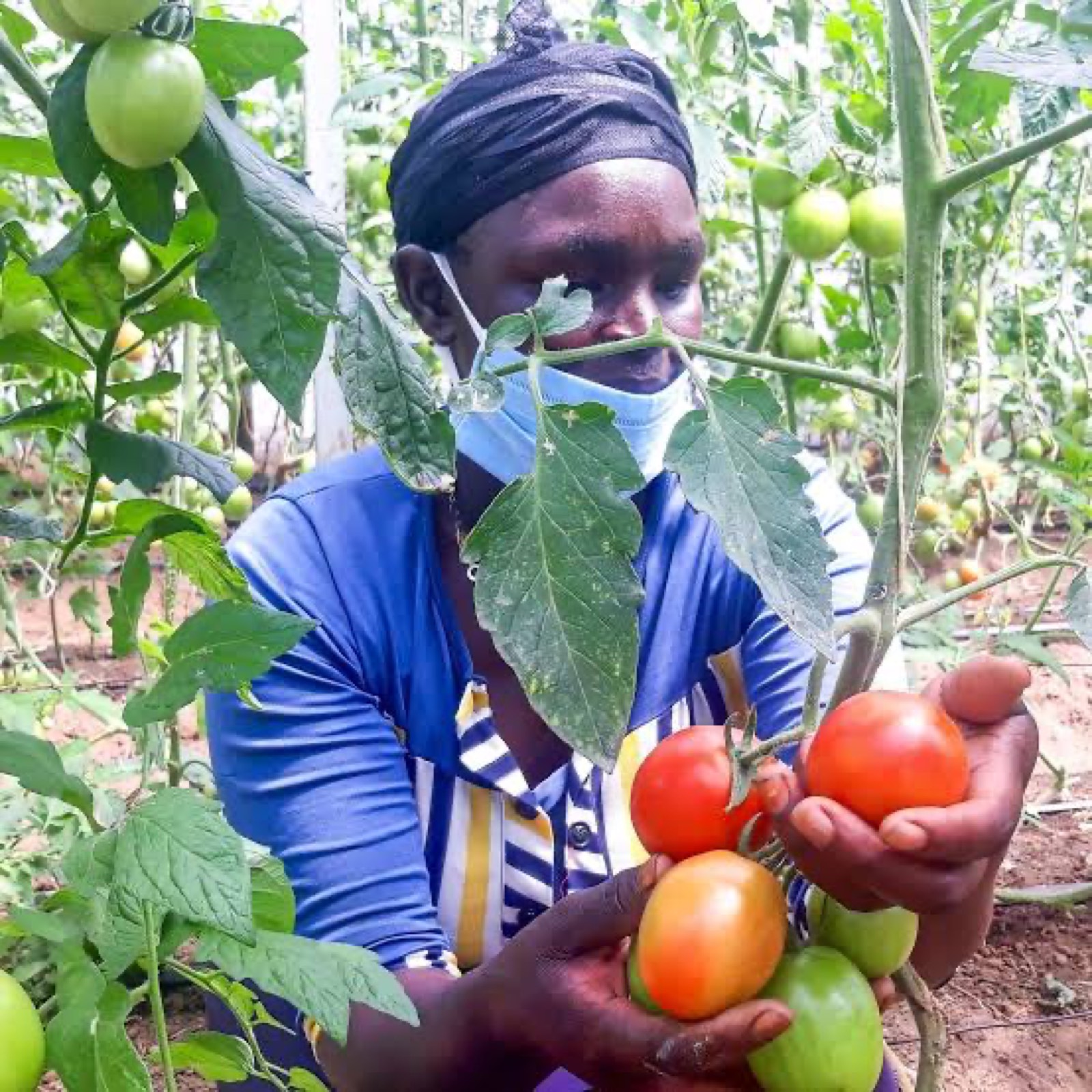
Why Tomatoes?
Tomatoes are a high-return crop per unit of land — one of the reasons we frequently recommend them to smallholder farmers in our network, particularly those with access to irrigation or reliable seasonal rainfall. An acre of well-managed tomatoes can produce 25–30 tonnes of fruit, which at even the lower end of market prices represents extraordinary revenue compared to most staple crops.
They also mature relatively quickly — within 60–90 days after transplanting — making them a good fit for farmers who want to realise income within a single season without committing to a long-cycle crop.
Part 1: Essential Growing Tips
1. Choose the Right Variety
Not all tomato varieties perform equally in every environment. For Kyangwali and the broader Kikuube area, prioritise varieties that are:
- Hybrid varieties — higher yielding, better disease resistance, uniform fruit size (recommended for commercial production). Space these at 60–80 cm between plants, depending on the cultivar.
- Open-pollinated varieties — lower seed cost, can save seeds for next season, but lower yields. Space at 45–60 cm.
- Disease-resistant where possible — especially to bacterial wilt and early blight, which are common in this region.
Always buy certified seed from a trusted supplier. Counterfeit or poorly stored seed results in poor germination and weak seedlings that will never recover, regardless of how well you manage the rest of the crop.
2. Nursery and Transplanting
Start seeds in a nursery bed or seedling trays 4–6 weeks before transplanting. Prepare raised nursery beds with well-decomposed compost. Sow seeds thinly and cover lightly with fine soil or compost. Water carefully — seedlings are vulnerable to damping-off at this stage.
Transplant seedlings when they are 15–20 cm tall and have 4–6 true leaves. Transplant in the late afternoon or on a cloudy day to reduce transplant shock. Water immediately after transplanting and again the following morning.
3. Soil and Sunlight
Tomatoes require well-drained, fertile soil with a pH of 6.0–7.0. Avoid waterlogged areas — standing water is one of the fastest ways to introduce bacterial wilt and root rot into your crop. Before planting, incorporate well-decomposed compost or manure to improve soil structure and organic matter content.
Position your tomato field where plants will receive at least 6–8 hours of direct sunlight per day. Tomatoes grown in shaded or partially shaded conditions produce poorly and are significantly more susceptible to fungal diseases.
4. Watering
Consistent moisture is essential. Inconsistent watering — wet, then dry, then wet again — leads to blossom end rot and fruit cracking, both of which destroy market value. Water deeply at the base of the plant rather than overhead. Overhead watering keeps foliage wet and dramatically increases the risk of fungal diseases like early blight.
Apply mulch (dry grass, straw, or banana leaves) around the base of each plant to retain soil moisture, regulate soil temperature, and suppress weeds. Mulching can reduce irrigation frequency by 30–40%.
5. Fertilisation
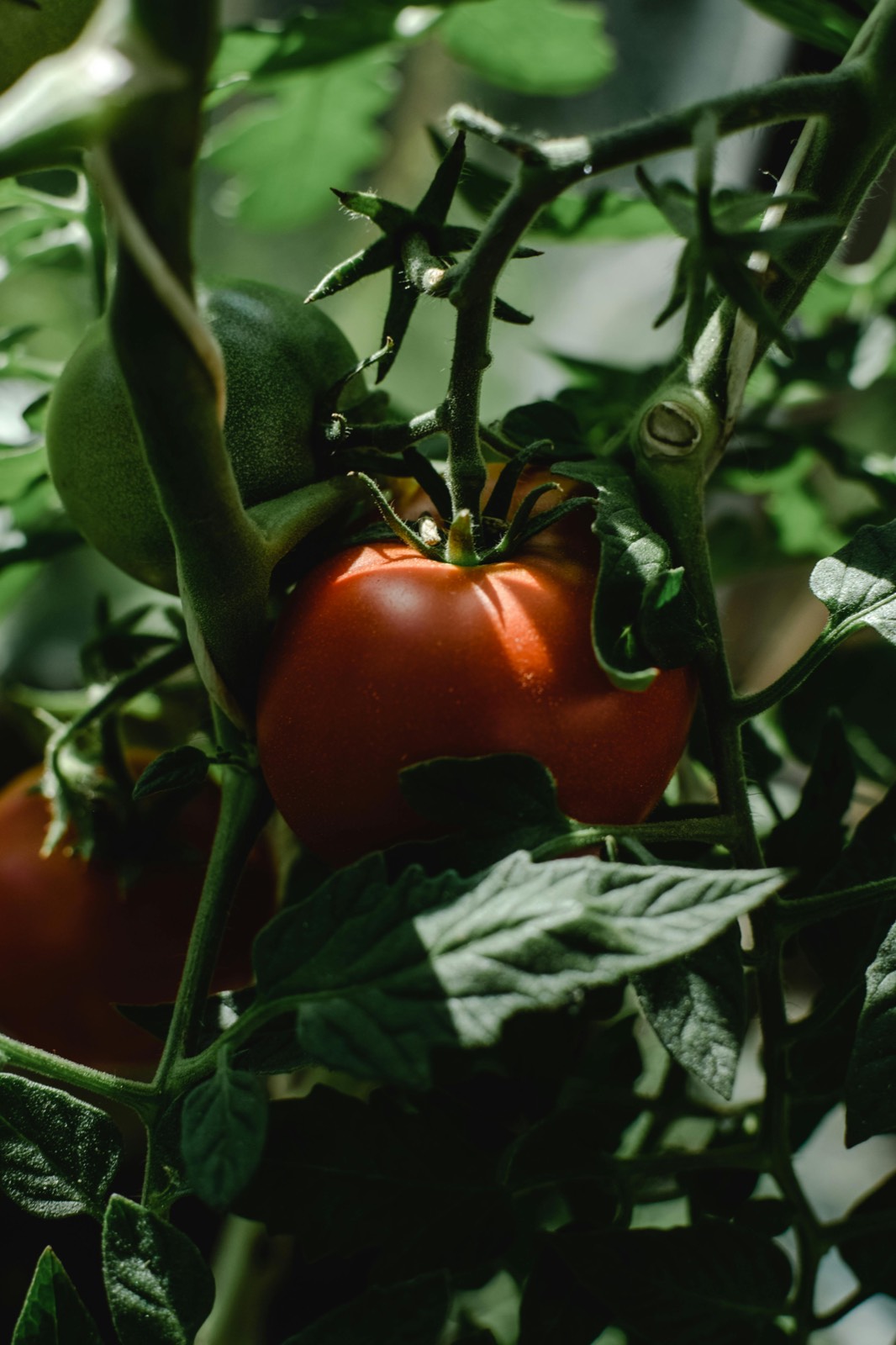
Apply a basal fertiliser (DAP or NPK) at transplanting to establish strong root development. Follow up with top-dressing (CAN or Urea) as the crop begins to flower and set fruit to support vigorous growth and fruit fill. Always follow recommended application rates — over-application of nitrogen encourages excessive leaf growth at the expense of fruit.
6. Pest Management
The two most common pests on tomatoes in this region are:
- Aphids — small soft-bodied insects that cluster on young shoots and the undersides of leaves. They weaken the plant and transmit viruses. Control with appropriate insecticides or neem-based organic sprays at first sign.
- Tomato hornworms / bollworms — large caterpillars that bore into fruit and consume leaves rapidly. Hand-pick and destroy egg masses when possible; apply appropriate pesticides for heavy infestations.
Scout your field at least twice a week — early detection makes pest control far cheaper and more effective than reactive treatment after populations have exploded.
7. Disease Management
Early blight (caused by the fungus Alternaria solani) appears as dark brown spots with concentric rings on lower leaves, spreading upward. It thrives in warm, wet conditions. Manage with preventive fungicide sprays on a 7–14 day schedule, and remove infected leaves immediately to reduce spread.
Bacterial wilt (caused by Ralstonia solanacearum) is soil-borne and causes rapid, complete wilting of plants even when the soil is moist. There is no cure — infected plants must be uprooted and removed from the field. Prevention is everything: avoid waterlogged areas, rotate crops, and never plant tomatoes in soil where wilt has previously occurred.
Part 2: Cost-Benefit Analysis (1 Acre)
The figures below are based on current input and labour costs in the Kyangwali and Kikuube District area. A well-managed acre of hybrid tomatoes can yield 25–30 tonnes of fruit with approximately 11,000 plants per acre and an estimated 20% plant loss factor.
| Cost Item | UGX |
|---|---|
| Land rent | 120,000 |
| Land clearing | 100,000 |
| Ploughing | 120,000 |
| Harrowing | 120,000 |
| Hybrid tomato seed | 500,000 |
| Nursery bed management | 100,000 |
| Ridging | 120,000 |
| Transplanting (labour) | 150,000 |
| Basal fertiliser | 150,000 |
| Weeding (x2) | 240,000 |
| Fungicides (full season) | 400,000 |
| Top-dressing fertiliser | 400,000 |
| Insecticides | 130,000 |
| Mulching materials & labour | 80,000 |
| Staking materials & labour | 640,000 |
| Harvesting labour | 200,000 |
| Transport (garden to store) | 200,000 |
| Market search | 250,000 |
| Packaging equipment | 600,000 |
| Transport to market | 300,000 |
| Labour/Salary | 600,000 |
| Expert farm visits / advisory | 200,000 |
| Total Production & Marketing Cost | 5,720,000 |
Revenue Projection
| Metric | Value |
|---|---|
| Plants per acre | 11,000 |
| Estimated plant loss (20%) | 2,200 plants |
| Productive plants | ~8,800 |
| Average yield per plant | ~3 kg |
| Total yield estimate | ~26,400 kg (≈26 tonnes) |
| Market price — low season | UGX 1,000 / kg |
| Market price — high season | UGX 2,000–3,000 / kg |
| Gross revenue (at 1,000/kg) | UGX 26,400,000 |
| Net Return (at 1,000/kg) | UGX 20,680,000 |
| Net Return (at 2,000/kg) | UGX 47,080,000 |
Key Success Factors
- Use certified hybrid seed — the yield difference versus uncertified seed alone can double your returns
- Stake every plant — unstaked tomatoes lose 30–50% of market-quality fruit to disease and rot
- Spray fungicides preventively — not reactively. Once blight takes hold, you cannot reverse it
- Know your market before you plant — identify your buyer and understand the price cycle in your area
- Have a post-harvest plan — tomatoes are highly perishable. Delays between harvest and sale reduce quality and price rapidly